
Why Do I Keep Getting Headaches? 7 Common Causes of Recurring Headaches
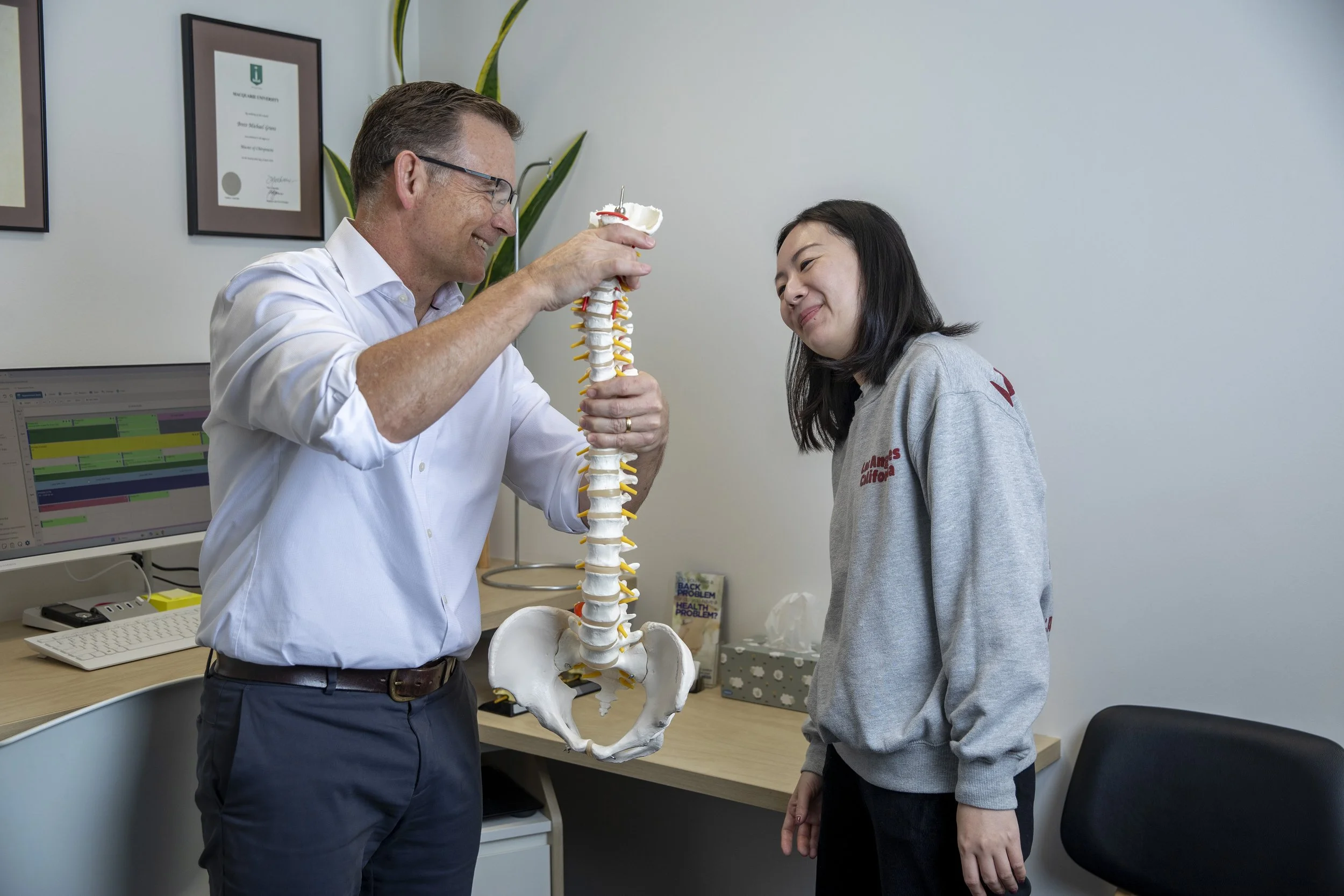
Why do I keep getting headaches?
By Dr Brett Grant | Principal Chiropractor, Family Chiropractic Chatswood | The Longest-Serving Chiropractor in Chatswood, Caring for Sydney's North Shore for Over 30 Years
"Why do I keep getting headaches?" It's a question I've been asked thousands of times across three decades in practice, right here in Chatswood. Maybe yours shows up after a long day hunched over a screen. Maybe it starts as a dull tightness at the base of your skull. Maybe it arrives on the days you're stressed, under-slept, or simply running on empty. Or maybe headaches have quietly become something you've just learned to live with.
Here's an important distinction I share with almost every patient who comes in with this complaint:
A headache describes what you're experiencing. It doesn't necessarily tell you why you're experiencing it.
There are dozens of recognised headache types, and a long list of factors that can contribute to them. Understanding the pattern of your headaches — and knowing when a headache needs medical investigation rather than conservative care — is the first and most important step.
Let's walk through seven common factors worth considering when headaches keep coming back.
1. Stress and Tension
Have you ever noticed what your body does the moment things get stressful?
Your shoulders creep up towards your ears. Your jaw clenches. Your breathing shortens and moves into your chest instead of your belly. The muscles around your neck, shoulders and upper back load up with tension — often without you noticing until the headache arrives. Stress is a well-recognised trigger for both tension-type headache and migraine. For many people, it isn't the stressful event itself that lines up with the headache — it's the accumulation: long days without proper recovery, disrupted sleep, sustained muscle guarding, and a nervous system that never quite gets the "stand down" signal.
It's one of the reasons I regularly ask patients with recurring headaches:
"What else was happening in your life when these started?"
Your headache doesn't exist in isolation from the rest of you — and if this resonates, it's worth reading how we think about the connection between stress and the nervous system more broadly.
2. Your Neck
Can a headache actually come from your neck?
In some cases, yes. There's a recognised category of secondary headache known as a cervicogenic headache — one attributed to a disorder or dysfunction of structures in the cervical (neck) region, rather than originating in the head itself.[¹][²]. People with a suspected cervicogenic headache often report neck discomfort or restricted neck movement alongside the headache. The pain is frequently felt around the upper neck or base of the skull, and can refer forward towards the head, sometimes on one side more than the other.[¹]
Importantly: having neck pain and a headache at the same time doesn't automatically mean you have a cervicogenic headache. A proper history and examination — including specific movement testing — matters enormously here, which is part of why cervicogenic headache is still considered a somewhat "controversial" diagnosis clinically; the overlap with tension-type headache isn't always distinct.[⁶]
We'll unpack the neck–headache connection in far more depth — including what the research actually says about manual therapy for cervicogenic headache in another article. t
In the meantime, you can read more about how we assess and manage neck pain and stiffness at our Chatswood clinic.
3. Posture
Think about how many hours a day you spend:
looking at a computer or laptop;
looking down at your phone;
driving;
sitting in back-to-back meetings; or
slumped on the couch in front of the TV.
Now ask yourself:
Where is my head, right now, while I'm reading this?
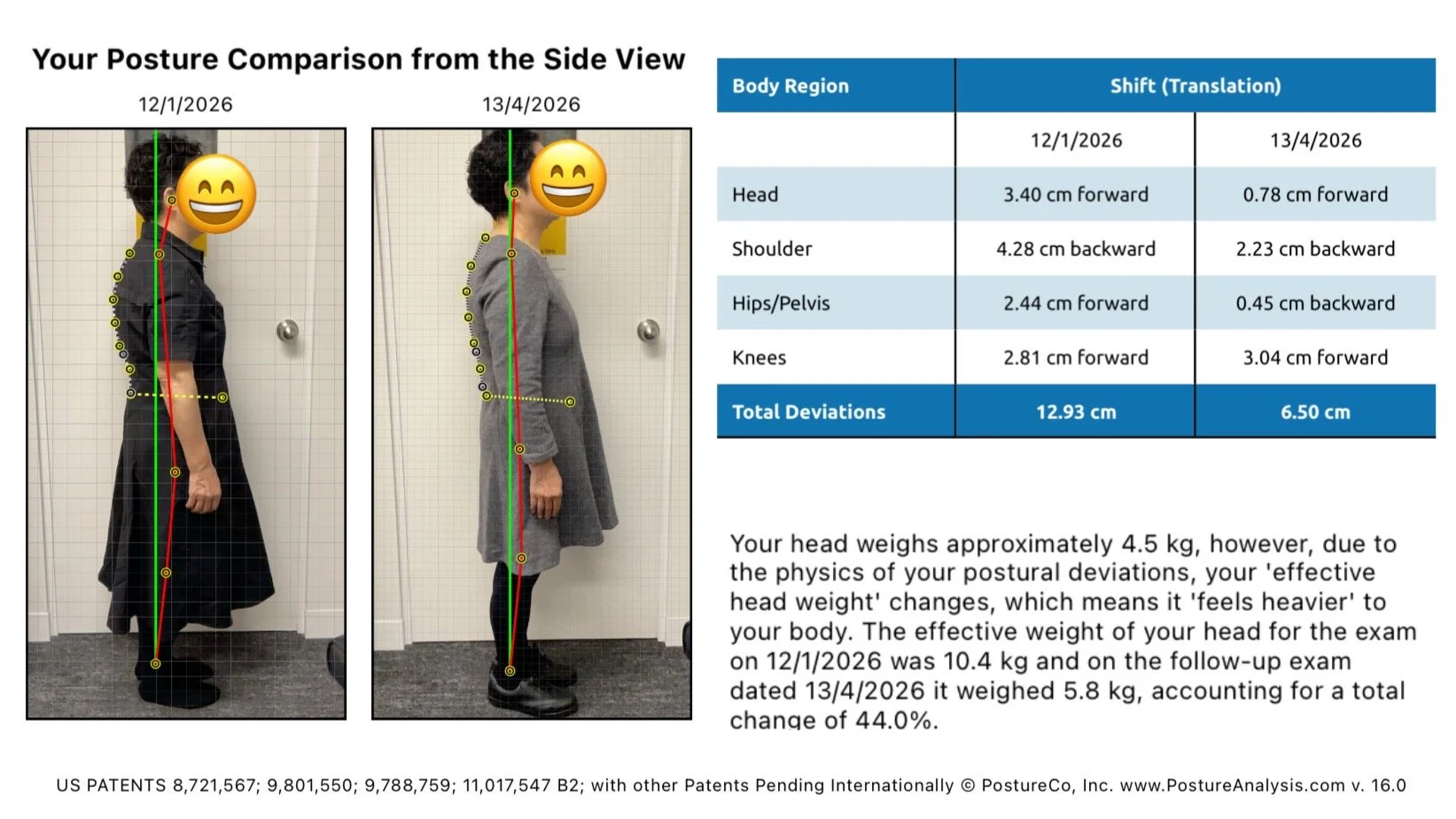
Sustained or awkward postures can contribute to neck and shoulder discomfort, and poor posture is also recognised as a potential trigger for tension-type headache. It's not just theory — research measuring the mechanical load on the cervical spine has found that as your head tilts forward, the effective load on your neck increases significantly, even from what feels like a small change in angle.
In our Chatswood clinic, posture is something I pay particular attention to whenever a patient presents with both recurring headaches and neck complaints. Rather than declaring posture the cause of anyone's headache, the more useful question is:
Could posture be one part of the picture?
4. Screen Time and "Tech Neck"
Since I began practice in 1996, our relationship with technology has changed dramatically — and quickly.
When I started practising in Chatswood 30 years ago, smartphones didn't exist. Today, it's entirely normal to move from a phone at breakfast, to a laptop at work, back to a phone on the train home, then to a tablet or TV at night — often clocking five or more hours of daily screen time along the way. The record number of hours per day that I have been told is 14 hours on the phone per day. I had to pick my jaw up off of the floor!
We've written extensively about Tech Neck — the neck strain and postural loading that comes from spending long periods looking down or forward at a screen. As we've explored previously, even a modest forward head tilt can meaningfully increase the load your neck has to support, and that load compounds the longer the posture is sustained.
If your headaches tend to build across your working day and are accompanied by neck stiffness or shoulder tension, your desk setup and screen habits are worth a closer look.
Try asking yourself:
"Do I feel different on the days I'm away from my desk?"
Sometimes patterns tell us far more than any single headache ever could.
5. Sleep
Poor sleep is another significant piece of the headache puzzle.
Inadequate or irregular sleep is a well-documented migraine trigger, and both too little sleep and markedly irregular sleep timing (including weekend "catch-up" sleep) have been associated with increased migraine frequency.[⁴][⁵] It's not unusual for around a quarter of people living with migraine to also experience insomnia, and roughly 4 in 10 report their migraine attacks beginning in the early hours of the morning.[⁴]
The relationship can become frustratingly circular:
Poor sleep → headache → disrupted sleep → another difficult day. Then Repeat.
Your sleeping position and pillow can also influence how your neck feels on waking. If you regularly wake with both a headache and a stiff or uncomfortable neck, that combination is genuinely useful information to bring to your healthcare practitioner.
That said, persistent or unusual morning headaches can also stem from causes entirely unrelated to the spine, and deserve proper chiropractic assessment rather than assumption.

6. Hydration, Meals and Everyday Habits
Sometimes we go looking for a complicated explanation and walk straight past the basics.
Consider:
Have I had enough water today? Have I eaten properly? How much caffeine have I had? Have I been staring at a screen for hours? Have I moved my body today? How did I actually sleep last night?
Even mild dehydration has been associated with triggering or worsening migraine attacks in susceptible people, and skipped or delayed meals — through the drop in blood sugar they cause — are one of the most consistently reported dietary triggers for migraine.[³][⁵]
If your headaches are recurring, a simple headache diary can be genuinely revealing. Record:
when the headache started;
where you felt it;
how long it lasted;
what you were doing beforehand;
how you slept the night before;
food and fluid intake;
stress levels;
screen time; and
any accompanying neck symptoms or other signs.
Over a few weeks, patterns that felt invisible day-to-day often become obvious.
7. Migraine and Other Headache Disorders
This one matters enormously.
Not every headache is a tension headache — and not every headache is coming from your neck.
Migraine is a neurological disorder that can involve headache alongside symptoms such as nausea, vomiting, sensitivity to light or sound, and — for roughly a third of people affected — an aura beforehand.
There are also other, less common but important headache disorders, including cluster headache and medication-overuse headache. This is precisely why correctly identifying the type of headache matters so much. Treating every headache the same way makes little sense when the underlying conditions — and the evidence behind different treatments — can be so different from one another.
Why Do My Headaches Keep Coming Back?
This is the question I find far more useful than:
"What can I take to make this headache disappear right now?"
If something keeps returning, it's worth asking whether there's a recognisable pattern or contributing factor behind it. Is it associated with:
Stress? Sleep? Your neck? Posture? Screens? Work? Migraine? Medication use? Something else entirely?
Sometimes there's one dominant contributor. Sometimes several factors overlap and compound one another. And sometimes, a headache needs medical investigation rather than chiropractic care — full stop.
When Should I Be Concerned About a Headache?
Most headaches aren't a sign of serious illness. But there are times a headache should never simply be brushed off. Seek urgent medical attention for a sudden, severe headache — particularly one that is unusual for you — or a headache accompanied by confusion, significant vision changes, neck stiffness, fever, unexplained vomiting, loss of balance, or a seizure.
Headaches that begin following a head injury, that progressively worsen, that substantially change from your usual pattern, or that frequently interfere with everyday life should also be medically assessed.
When in doubt, get it checked.
Knowing when not to provide chiropractic care is just as important, in my view, as knowing when it may help.
What Does a Chiropractor Look for When You Have Headaches?
When someone comes into Family Chiropractic Chatswood with recurring headaches, I'm interested in far more than simply where it hurts.
I want to understand:
What does the headache actually feel like?
Where does it start, and where does it travel?
How often does it occur, and how long does each episode last?
Is it getting better, worse, or changing in character?
Is neck movement involved?
Do you experience nausea, visual changes, or other neurological symptoms?
What seems to trigger it?
What's your posture like, day to day?
How much time do you spend at a computer or on your phone?
How are you sleeping?
How stressed are you, honestly?
Have you had a prior injury — even one that felt minor at the time?
What medications are you currently taking?
Has this headache already been medically investigated?
Where clinically appropriate, we then examine posture, neck movement, and relevant musculoskeletal and neurological function — often using the Activator Method, a precise, low-force adjusting technique I've used and taught nationally for many years as well as other techniques such as Toggle recoil or Thompson Technique.
If our findings suggest chiropractic care isn't the appropriate path — or that something needs further medical investigation — the right next step is referral, not treatment.
The goal was never to make every headache fit chiropractic.
The goal is to properly understand the person sitting in front of us.
Can Chiropractic Help With Headaches?
That depends considerably on what type of headache you have.
Research into manual therapy — including spinal manipulation — has found evidence of benefit for some people with cervicogenic headache, particularly in the short to medium term, with a 2022 systematic review and meta-analysis of manual and exercise therapy reporting moderate-to-large short-term improvements in headache frequency and intensity, and moderate-quality evidence favouring spinal manipulation over sham intervention in the highest-quality trials available.[²] Earlier systematic reviews have similarly found that spinal manipulative therapy compares favourably with massage for cervicogenic headache, and shows short-term effects broadly comparable to some first-line preventive medications for chronic tension-type headache.[⁷] For tension-type headache specifically, manual therapy has also been shown in controlled trials to reduce pain intensity and improve cervical range of motion.[⁸]
It's worth being upfront, though: the evidence isn't uniform. A more recent 2025 systematic review focused specifically on chiropractic spinal manipulation found the overall certainty of evidence across available trials was low, with inconsistent results between studies — a reminder that "chiropractic treats headaches" is too broad a claim, and that outcomes are likely to depend heavily on headache type, individual presentation, and the specific approach used.[⁹]
Exercise, postural retraining and multimodal approaches often form part of a broader management plan alongside — not instead of — this kind of assessment.
The evidence simply isn't identical across every headache type, which is exactly why we shouldn't collapse "headache" into one single, treatable thing. The more useful question is:
What type of headache are you experiencing, what may be contributing to it, and is chiropractic assessment appropriate for you?
We'll explore this research in more detail — including what it means specifically for cervicogenic headache — later this month.

Start Looking for the Pattern
If headaches keep returning, don't just think about the last one. Think about the pattern.. What was happening beforehand? Where did it start? What else did you notice? What makes it better, and what makes it worse? Has anything in your routine changed recently?
After 30 years in practice, I still think one of the most useful questions we can ask is often the simplest:
Why are YOU getting yours?
If recurring headaches, neck discomfort or postural concerns are affecting your day-to-day life, you're welcome to come and talk it through with us at Family Chiropractic Chatswood.
Our new-patient process begins with a complimentary consultation with me directly, to discuss what's happening, your health history, and whether chiropractic assessment is appropriate for you. There's no obligation to proceed — and if I believe another healthcare professional is better placed to help, I'll point you in the right direction.
This article provides general health information and isn't a substitute for individual medical advice, diagnosis or emergency care. Always seek the guidance of a qualified healthcare provider for any questions regarding a medical condition.
Frequently Asked Questions
Why do I keep getting headaches? Recurring headaches usually have a pattern behind them — common contributors include stress, neck dysfunction, posture, screen time, poor sleep, dehydration, missed meals, and underlying headache disorders such as migraine. Identifying the pattern, rather than just treating each headache in isolation, is the key first step.
Can neck problems cause headaches? Yes, in some cases. A recognised secondary headache type called cervicogenic headache is attributed to a disorder or dysfunction within the cervical spine or the soft tissues of the neck. However, having neck pain and a headache together doesn't automatically confirm this diagnosis — a proper history and examination is needed.
Can a chiropractor help with headaches? It depends on the type of headache. Current research shows manual therapy and spinal manipulation may help some people with cervicogenic headache and tension-type headache, though the overall quality of evidence varies between studies. A thorough assessment is needed to determine whether chiropractic care is appropriate for your specific headache.
When should I see a doctor instead of a chiropractor for a headache? Seek urgent medical attention for a sudden, severe headache, or one accompanied by confusion, vision changes, neck stiffness, fever, vomiting, loss of balance or seizure. Headaches following a head injury, that progressively worsen, or that substantially change in pattern should also be medically assessed.
Does screen time and posture really contribute to headaches? Poor or sustained posture — including the forward head position associated with prolonged screen use ("tech neck") — is a recognised potential trigger for tension-type headache, and increases the mechanical load carried by the neck. It's often one contributing factor among several rather than a sole cause.
References
Fredriksen TA, Antonaci F, Sjaastad O. Cervicogenic headache: too important to be left un-diagnosed. J Headache Pain. 2015;16:6. https://doi.org/10.1186/1129-2377-16-6
Racicki S, et al. The effectiveness of manual and exercise therapy on headache intensity and frequency among patients with cervicogenic headache: a systematic review and meta-analysis. PMC. 2022. https://pmc.ncbi.nlm.nih.gov/articles/PMC9682850/
Migraine Trust. Migraine attack triggers. Accessed 2026. https://migrainetrust.org/live-with-migraine/self-management/common-triggers/
HealthCentral. Common Migraine Triggers: Food, Stress, Dehydration and More. Accessed 2026. https://www.healthcentral.com/article/common-migraine-triggers
Ismail R, et al. Irregular meal and migraine headache: a scoping review. BMC Nutrition. 2025. https://doi.org/10.1186/s40795-025-01048-8
International Headache Society. International Classification of Headache Disorders, 3rd edition (ICHD-3). https://ihs-headache.org/wp-content/uploads/2020/05/ICHD-3-Pocket-version.pdf
Bronfort G, Assendelft WJ, Evans R, Haas M, Bouter L. Efficacy of spinal manipulation for chronic headache: a systematic review. J Manipulative Physiol Ther. 2001;24(7):457-466. https://pubmed.ncbi.nlm.nih.gov/11562654/
Espí-López GV, et al. Efficacy of manual and manipulative therapy in the perception of pain and cervical motion in patients with tension-type headache. J Orthop Sports Phys Ther (via PubMed). https://pubmed.ncbi.nlm.nih.gov/24711779/
Is chiropractic spinal manipulation effective for the treatment of cervicogenic, tension-type, or migraine headaches? A systematic review. ScienceDirect. 2025. https://www.sciencedirect.com/science/article/pii/S1876382025000289