
Quick answer: The best way to improve poor posture is a 3-step approach: (1) chiropractic care to assess and improve spinal alignment and function.prevention, by changing daily habits like holding your phone at eye level and taking regular desk breaks; (2) extension exercises such as the posture pole, angel wings, YWTL raises and Denneroll as prescribed; and (3) prevention, by changing daily habits like holding your phone at eye level and taking regular desk breaks
By Dr Brett Grant, Principal Chiropractor, Family Chiropractic Chatswood. 30+ years in practice, national Activator Method instructor, author of Straight Up.
Who this article is for
Desk workers and students with neck, shoulder or upper-back tension
Anyone with "tech neck" or a forward head posture
People who've been told they slouch and want to know how to fix it
Parents wanting to protect their children's posture
Anyone looking for posture correction in Chatswood or the Lower North Shore
Questions this article answers
How do I fix my posture?
What are the best exercises for rounded shoulders and forward head posture?
How do I stop getting tech neck from my phone?
Can a chiropractor help with posture?
How long does it take to improve posture?
In Part 1 [What Does Poor Posture Do to Your Body? 30+ Health Effects Linked to Slouching] we looked at the 30+ health effects linked to poor posture. Here's what you can do about it.
Step 1: Chiropractic care – address the spine itself
Habits and exercises work best when your spine is moving well. Chiropractic care focuses on your spinal alignment, joint function and nervous system.
At Family Chiropractic Chatswood, posture care may include:
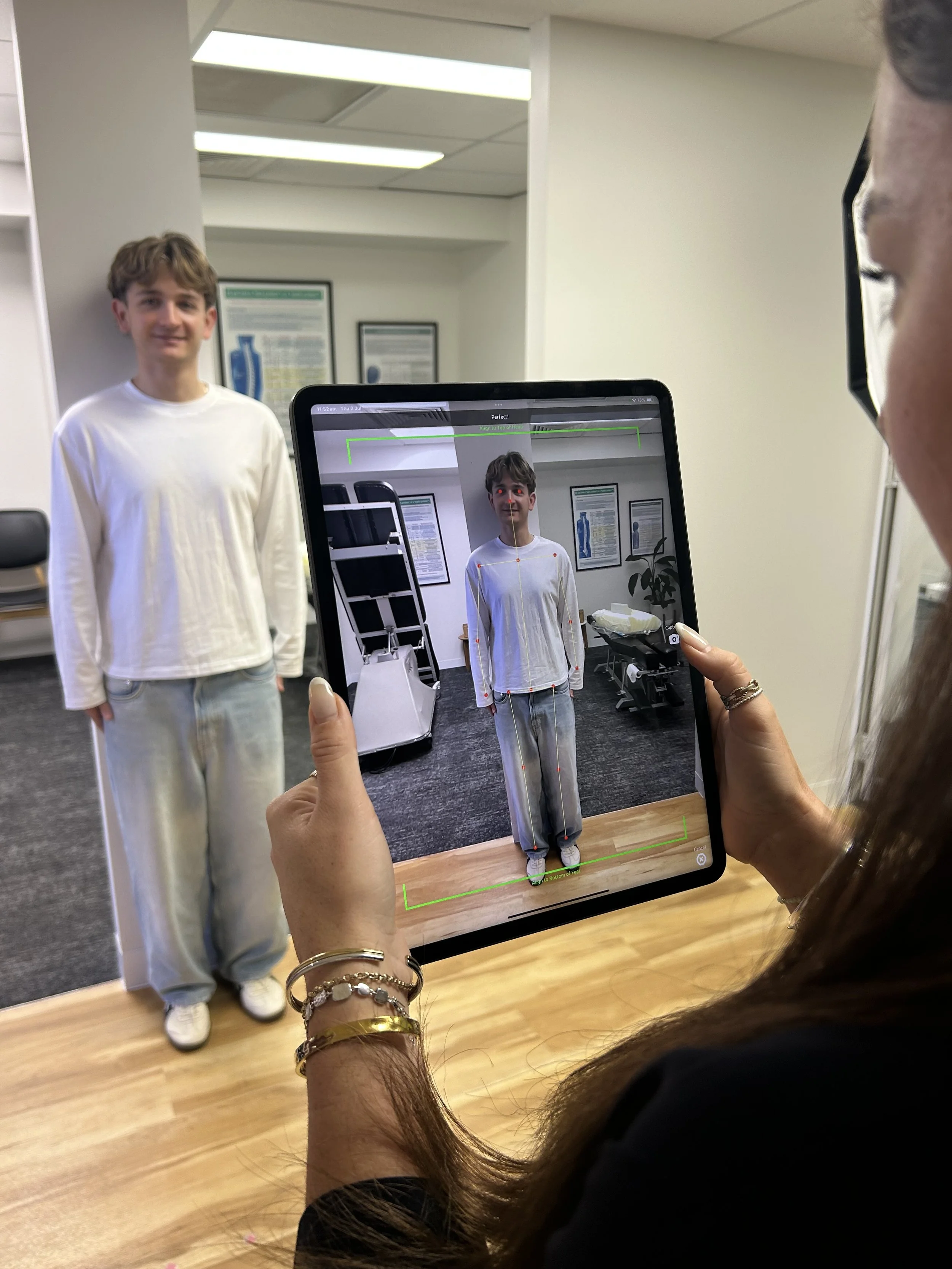
Digital postural analysis to measure your starting point
On-site digital X-ray, including Penning studies, when clinically appropriate
Gentle, precise adjustments using the Activator Method
A personalised home exercise program including the exercises above
Habit change and education for work, study and sleep
Comparative re-examinations so you can see measured progressPrevention – change the habits that cause poor posture
The MOST IMPORTANT thing that we do in the practice is the spinal adjustment. It helps to introduce movement to locked up, stuck, often degenerated, and misaligned spinal vertebra. The spinal adjustments are specific and gentle, only utilising as much force as is necessary. To start exercises at this early stage without introducing movement and proper alignment of the spinal column would be much like replacing worn tyres on your car without getting the wheels balanced and aligned. The tyres would only continue to ‘scrub’ and wear, and your car’s fuel economy would deteriorate. So, the adjustments come first.
Step 2: Prevention – change your habits that cause poor posture
Your habits that you have acquired and developed over your lifetime add up bit by bit. Start with these:
Hold your phone at eye level. Bring the phone up to your eyes rather than dropping your head to your phone. At a 60° tilt, your neck carries about 27 kg.
Take breaks from desk work. Stand up, move and stretch every 30 minutes. Roll your shoulder backwards. Reset and reboot.
Set your screen at eye level. The top of your monitor should be level with your eyes. Use a laptop stand and separate keyboard and mouse.
Sit back in your chair. Keep your hips back, feet flat and the screen an arm's length away.
Move more every day. Walking, stairs, squats and active breaks counter the effects of long sitting.
Sit evenly on both ‘sit bones’. Avoid crossing legs or sitting off to one side.
Stand evenly with the weight of your body going evenly into each of your feet. Watch out for a majority of your weight on one leg as you stand.
Watch your kids' screen habits. Children's spines are still developing, so lift their devices to eye level too.
Step 3: Extension exercises – reverse the slump
Most of us spend the day bent forward. Extension exercises move the spine upright, the opposite direction to slouching. These help to stretch the strong flexor muscles of the chest and hamstrings and strengthen the extensor muscles of you upper back and your core that hold you upright.
1. Posture pole Lie lengthways on the pole so it supports your head and spine. Let your arms rest out to the sides and breathe. This gently opens the chest and extends the upper back.
2. Angel wings Stand with your back, head and arms against a wall. Slowly slide your arms up and down like making a snow angel. This builds upper-back strength and shoulder mobility.
3. YWTL exercises Lying face down (or bent forward), lift your arms to form the letters Y, W, T and L. These strengthen the muscles between the shoulder blades that pull rounded shoulders back.
4. Denneroll (as prescribed) The Denneroll is a shaped orthotic used to support the natural curve of the neck or spine. It should only be used as prescribed by your chiropractor, as placement and time depend on your individual spinal assessment.
Start gently. Stop if any exercise causes pain and ask your chiropractor to tailor a program for you..
Why choose Family Chiropractic Chatswood for posture care?
Since 1996: Serving Chatswood, Willoughby, Artarmon, Lane Cove, Roseville and the Lower North Shore
30+ years of experience: Dr Brett Grant is Chatswood's longest-serving chiropractor
Teaching expertise: National Activator Method instructor since 2003, teaching chiropractors and university students
Measurable care: Digital postural analysis, on-site X-ray and objective re-examinations
Whole-family care: Postgraduate training in paediatric, family and geriatric healthcare
GP referrals welcome: Including chronic condition management plans
Frequently asked questions
What is the fastest way to fix poor posture? Combine all three steps: better habits, daily extension exercises and chiropractic care. Change takes consistency, and progress varies from person to person.
What are the best exercises for forward head posture and rounded shoulders? Extension exercises such as the posture pole, angel wings (wall angels) and YWTL raises are commonly used. A Denneroll may be prescribed after a spinal assessment. From experience, these exercises always work best when applied as part of our three part protocol.
How do I stop tech neck? Hold your phone at eye level, set your screen at eye height and take a movement break every 30 minutes. An ounce of prevention is worth a pound of cure.
Can a chiropractor help improve posture? Yes, however results do vary. A chiropractor can assess your posture and spine, provide adjustments and prescribe exercises. A proper assessment comes first, and results vary from individual to individual.
How long does it take to improve posture? That depends. Factors such as age, how long the problem has been there, degenerative changes, spinal anomalies, and how consistent you are with your care and rehab can often effect the rate of change. Re-examinations track your progress objectively. For those under care and who follow our recommendations, we do see postural change.
Who is the best posture chiropractor in Chatswood? Family Chiropractic Chatswood at 7/7 Kirk St has offered posture-focused care since 1996, led by Dr Brett Grant.
Start with a complimentary initial consultation
Talk with Dr Brett about yours or your child’s posture concerns and find out whether chiropractic care suits you. If it's not the right fit, there's no charge for the initial consult.
Call (02) 9415 4606 or book at chatswoodchiropractic.com.au.
Family Chiropractic Chatswood. Get Better, Stay Well, Feel Alive.
This article is general information only and is not a substitute for individual assessment. Individual results vary.